
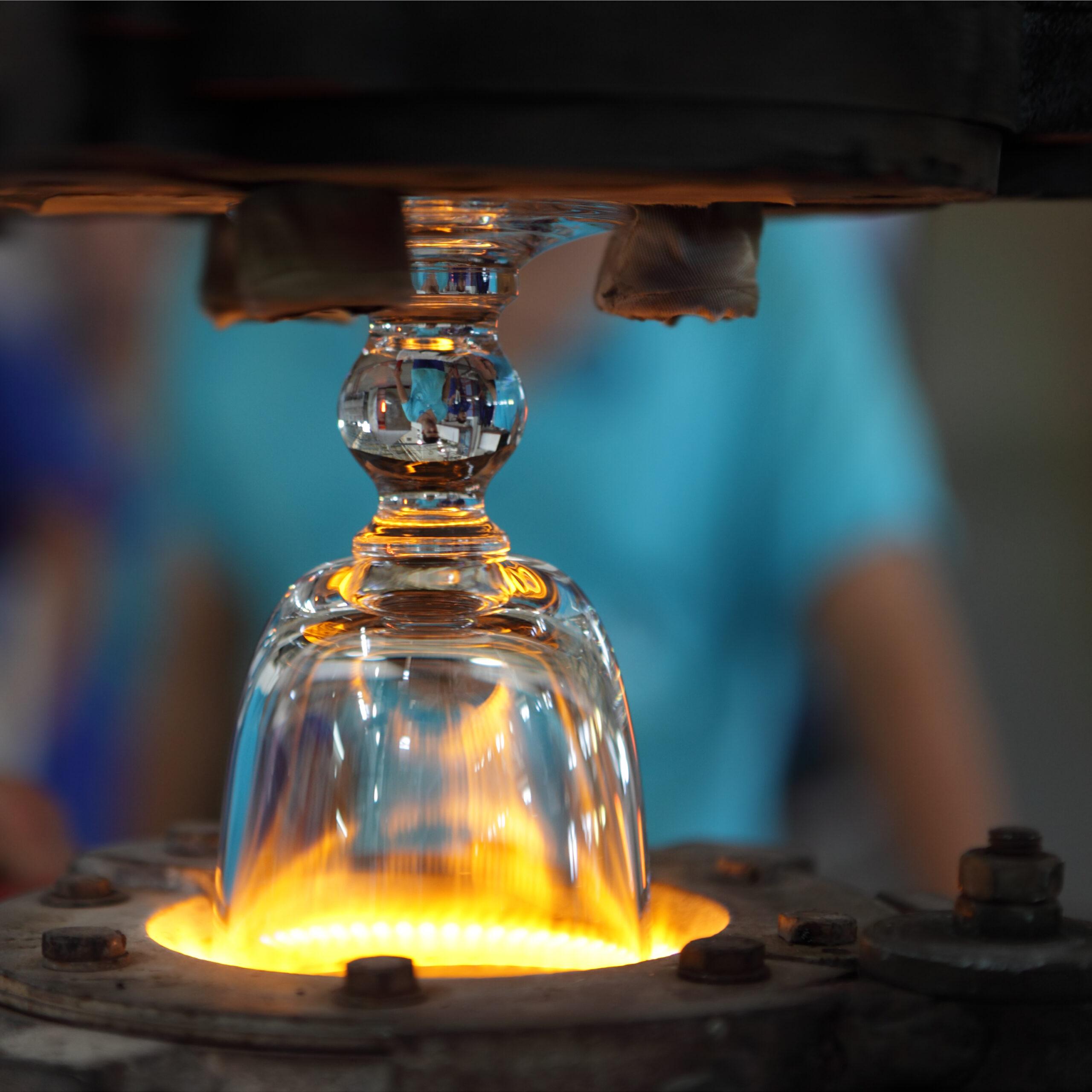
As one of the EU’s most heavily industrialised countries, Poland relies on a manufacturing sector that generates over 20% of the country’s GDP. However, this sector is deeply dependant on imported fossil fuels and highly vulnerable to energy price shocks. Takling these challenges requires decarbonisation, both across corporate energy sources and the wider power grid.
Direct electrification of process heat is the simplest route to cutting industrial emissions and shielding companies from volatile gas prices. Its greatest potential lies in the food, pulp and paper and pharmaceutical sectors. The project maps potential electrification pathways and identifies the conditions conducive for implementation across selected sectors of the Polish industry.
The Reform Institute conducts research and develops recommendations to improve the regulatory environment for electrification. We engage with industry representatives, public authorities, and experts to discuss the tools and strategies required to achieve this goal. We present examples of successful implementations and develop profitability pathways for selected sectors. We raise awareness of Polish and EU support instruments and new policies that influence investment decisions. The project delivers comprehensive analytical reports, alongside a series of moderated online discussions and expert events. The ongoing work equips decision-makers and businesses with robust arguments and policy recommendations regarding systemic reforms, as well as appropriate tools to support the implementation and scaling up direct electrification technologies in industrial facilities.
The initiative drives awareness of the industrial electrification and the strategic planning required to scale it up. It also highlights the availability of systemic solutions and support schemes that enable businesses to cover both capital and operating costs.


Energising industry. The Road to a Competitive and Carbon-Neutral Industry – brief by Reform Institute
“Energising industry #2: Financial aspects of industrial heat electrification in Poland” – report by the Reform Institute
Energising industry#3: Electrification on the map of zero-emission solutions for energy-intensive industries – a new report by the Reform Institute
In search of a roadmap. Where do industry and the electrification of process heat feature in national strategies? – a summary of the round-table discussion
Energising industry#3: Electrification on the map of zero-emission solutions for energy-intensive industries – summary of a webinar
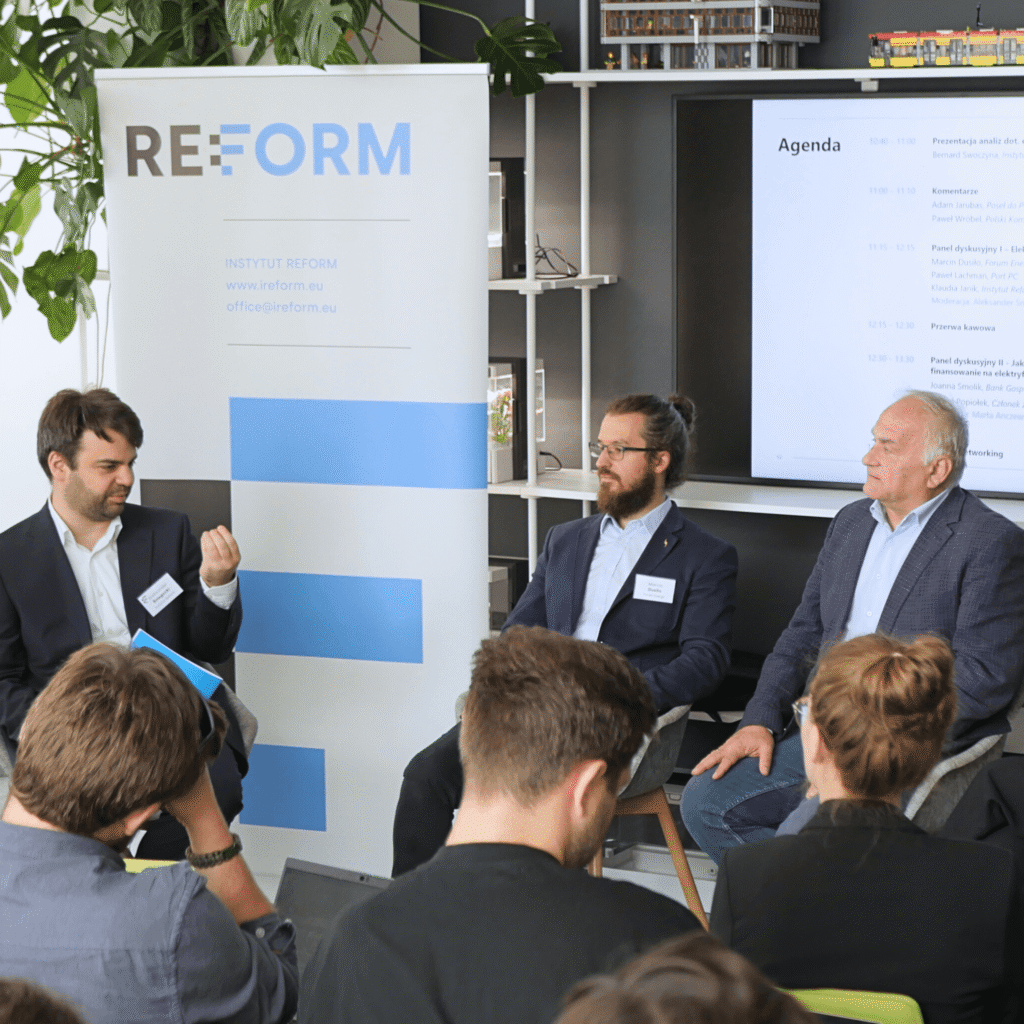
Clean industrial heat – how to accelerate decarbonisation?




Zapisz się
do newslettera