
Industrial Process Heat Electrification: Transition Pathways for the Food, Pulp and Paper, and Chemical Sectors
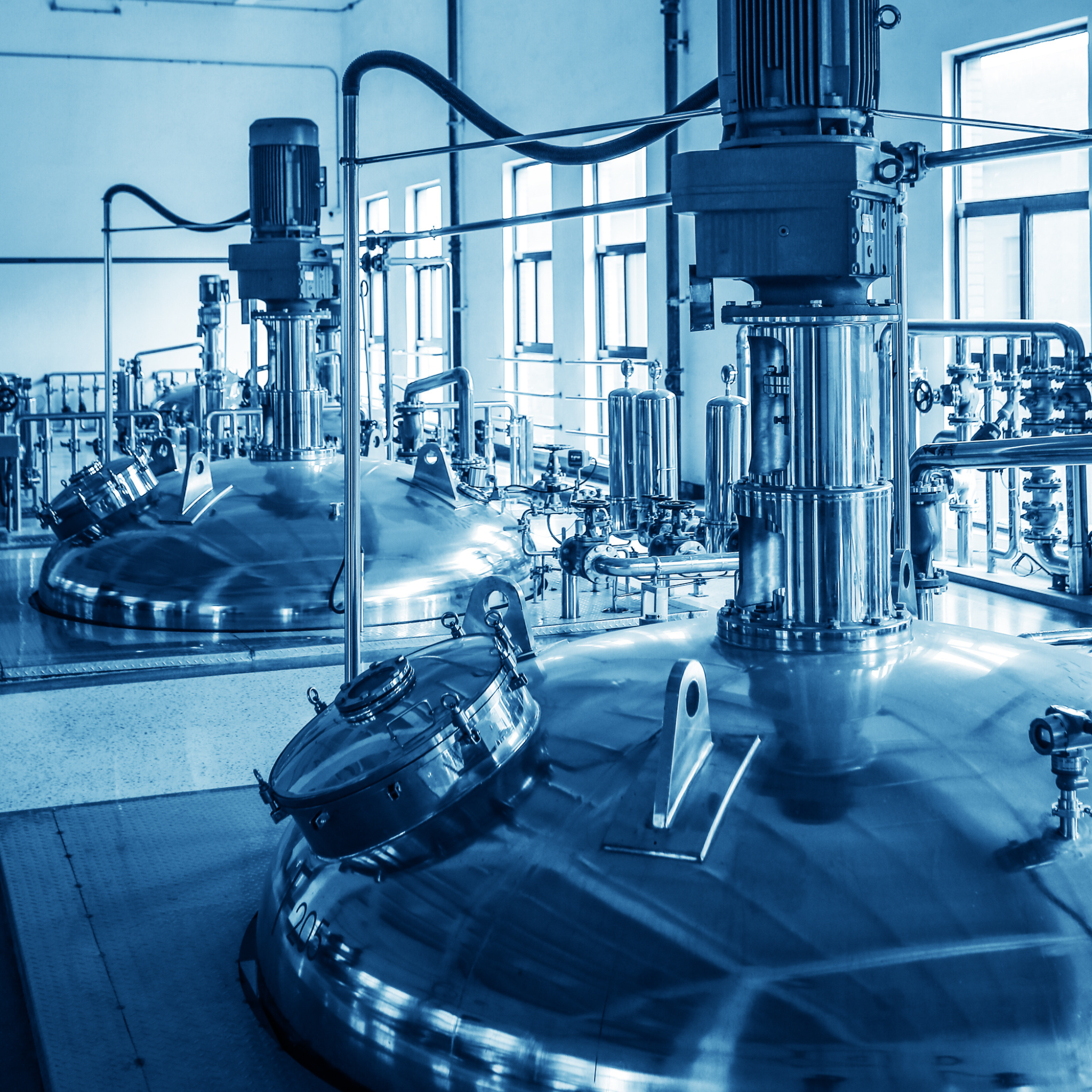
As one of the pillars of the Polish economy, the manufacturing sector accounts for 15.4% of Poland’s GDP and generates 60 million tonnes of CO₂ emissions annually. In light of the upcoming ETS2 system and the declining biomass availability, electrifying of low- and medium-temperature process heat is vital for maintaining industrial competitiveness. The project maps the decarbonisation potential of selected Polish industries as a part of a wider initiative spanning the EU, Germany and Italy.
The project aims to enhance understanding and disseminate knowledge about process heat electrification as a decarbonisation pathway for selected sectors. Work focuses on evaluating the potential electrification pathways and identifying the conditions conducive to their implementation. As part of its initiative, the Reform Institute prepares case studies for the food, pulp and paper and chemical industries, assessing their potential for direct electrification by 2050.
The project’s main outcome is a cross-cutting report setting out decarbonisation scenarios for selected manufacturing sectors. The publication provides quantitative decarbonisation pathway models for the food, pulp and paper and chemical industries, alongside savings calculations and actionable recommendations to accelerate the uptake of electrification technologies across the industry. The project equips decision-makers with data-driven arguments needed to spark early investment in the industrial electrification. The recommendations help remove systemic barriers hindering technology development, ultimately strengthening EU energy independence and boosting industrial profitability.
The Reform Institute delivers the project as a partner in an international consortiumled by Agora Industry. The wider partnership includes Agora Energiewende, the Fraunhofer Institute, and the ECCO Institute. Expert teams from the AGH University of Science and Technology and the Energy Market Agency (ARE) support the analyses for Poland. The project is funded by the Climate Imperative Foundation, an international philanthropic organisation.









Zapisz się
do newslettera