
A new network tariff model as the key to cheaper energy and a sustainable transition
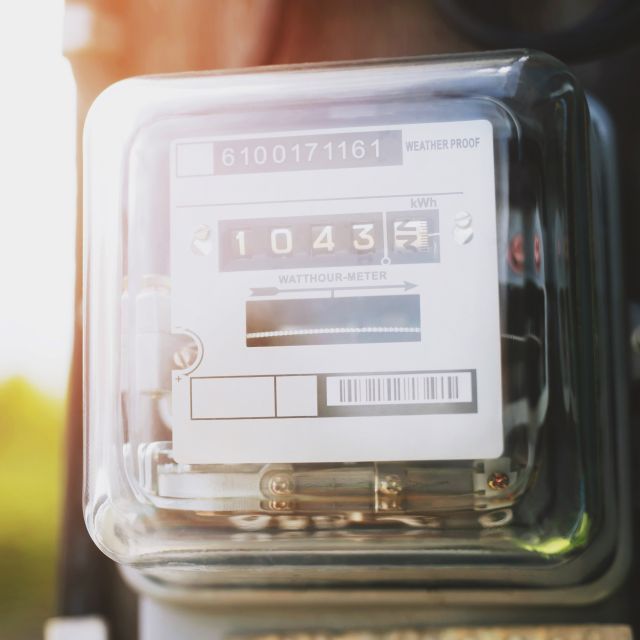
The transformation of Poland’s power grids requires investments of PLN 500 billion by 2040. Flexible demand management will reduce these costs, which will translate into lower electricity bills. According to the Reform Institute in its new report titled Fixed, variable, or perhaps dynamic? Network charges in the face of energy transformation, for this to happen, a change in the approach to network charges is required, which should reflect the real costs of the system.
The dynamic development of wind and photovoltaic sources, as well as the ongoing electrification of transport and heating, create an urgent need to expand and modernize power grids. The current transmission and distribution infrastructure, designed for large coal-fired power plants, is not adapted to the distributed renewable energy sources that power an electrified economy. A modernized grid will not only enable the further development of RES, but also meet growing consumer demand.
There is much to fight for – more efficient use of infrastructure will accelerate the transition to cheaper renewable sources and reduce the cost of building new networks. In practice, this means lower energy bills for consumers and the economy as a whole.
Klaudia Janik, Climate and Energy Policy Analyst at the Reform Institute, highlights:
The value of investments ensuring the necessary network capacity depends on peak electricity demand. That is why it is important to smooth out the electricity consumption profile of end users, especially in households. If consumers start using energy when there is a lot of it in the system and it is cheapest – for example, by running a washing machine, heat pump, charging an electric car, or energy storage – they will not only lower their bills, but also reduce peak demand. Such optimization of consumption and greater flexibility will allow for more efficient use of funds for network development. In other words, implementing network usage billing that better reflects the actual situation in the energy system will allow us to integrate distributed renewable sources, electric car charging stations, and heat pumps into the energy system more quickly at more attractive energy prices.
However, achieving these benefits requires a change in approach to network charges. In the future, they should better reflect the actual costs of infrastructure in our bills. Lower bills will only be possible if we reduce the costs of the system instead of artificially freezing them.
Aleksander Śniegocki, President of the Reform Institute, says: Moving away from the outdated approach to network charges in favor of new solutions, such as dynamic charges or flexibility services, will require technical, organizational, and communication efforts. That is why it is important to have a common understanding of the need for change and the long-term benefits of moving in this direction. The Reform Institute therefore recommends launching a nationwide discussion on modernizing the way in which the costs of using the power grid are settled.
Dynamic tariffs for electricity purchases are currently mainly indicated among the tools used to increase the flexibility of electricity consumers. Although they have great potential to activate end users, they also have certain limitations. On the one hand, they accurately reflect the balance of energy supply and demand across the entire power system, but on the other hand, they are unable to signal local network bottlenecks, e.g., indicate clusters of power consumption points in areas with low RES concentration. Problems with local network congestion, which occur regularly, e.g., during peak power demand in the afternoon, could be reflected in a dynamic distribution tariff for consumers in a given area. In the case of sudden, spontaneous overloads, a solution should be sought in the flexibility services offered to distribution system operators (DSOs).
Given the significant potential to reduce the costs of the energy transition by increasing demand-side flexibility and implementing appropriate network tariff solutions, the Reform Institute recommends:
- Initiating a discussion on network tariffs in the medium and long term,
- Linking the debate on the future shape of tariffs with work on the structure of flexibility services and the issue of “unfreezing” electricity prices for households,
- Preparing a new model for network usage billing, combining dynamic network charges with flexibility services at the level of distribution system operators (DSOs),
- Intensifying cooperation at the European level to create a common market framework for DSOs across the European Union and to support the development of network management technologies using flexibility services.
Without a change in the approach to network charges, the energy transition in Poland will be more expensive and slower. Currently, energy pricing policy and ensuring the development of energy networks are at the centre of public debate on the future of energy – let’s not waste this opportunity to initiate the necessary systemic changes.





A new network tariff model as the key to cheaper energy and a sustainable transition- roundtable
Tomorrow’s energy networks – a European plan and national priorities – summary of Round Table
A new network tariff model as the key to cheaper energy and a sustainable transition
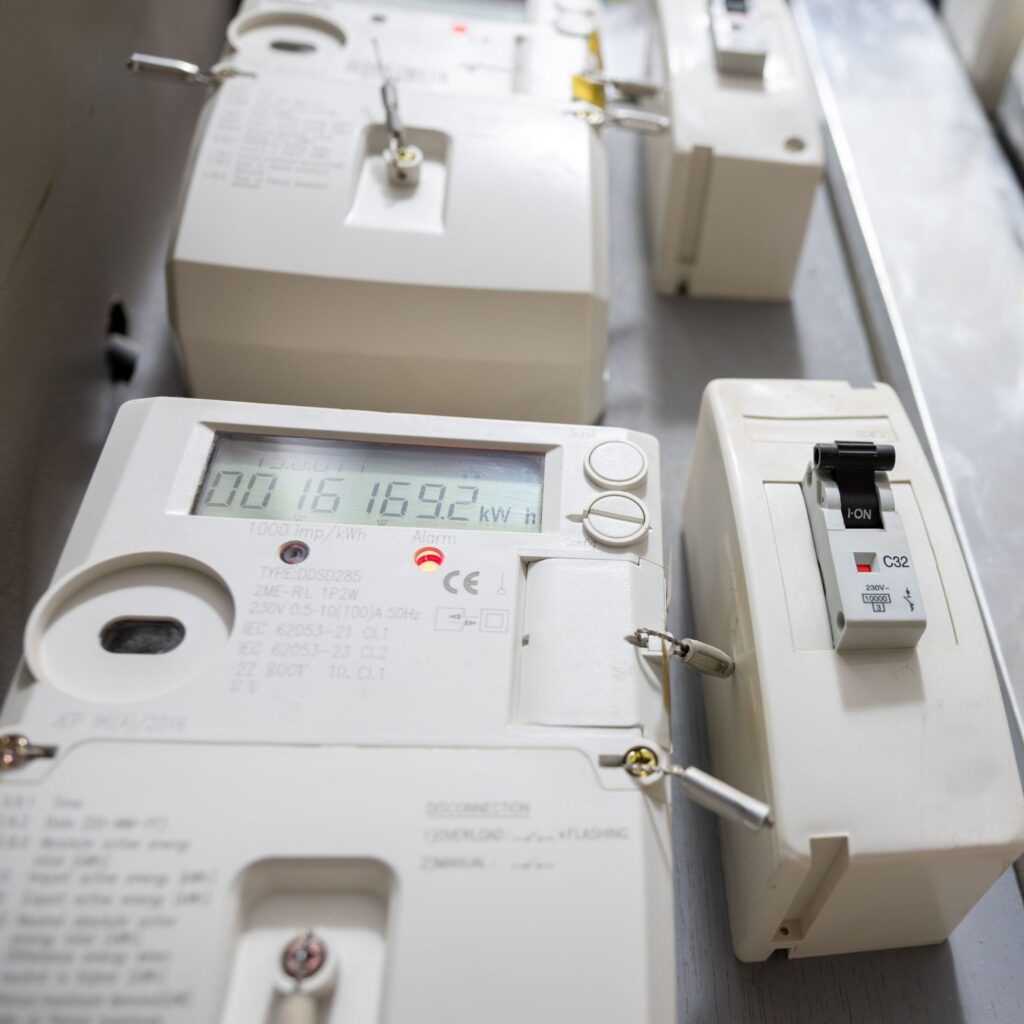
Changes to grid tariffs could reduce energy bills – conclusions from a new report by the Reform Institute
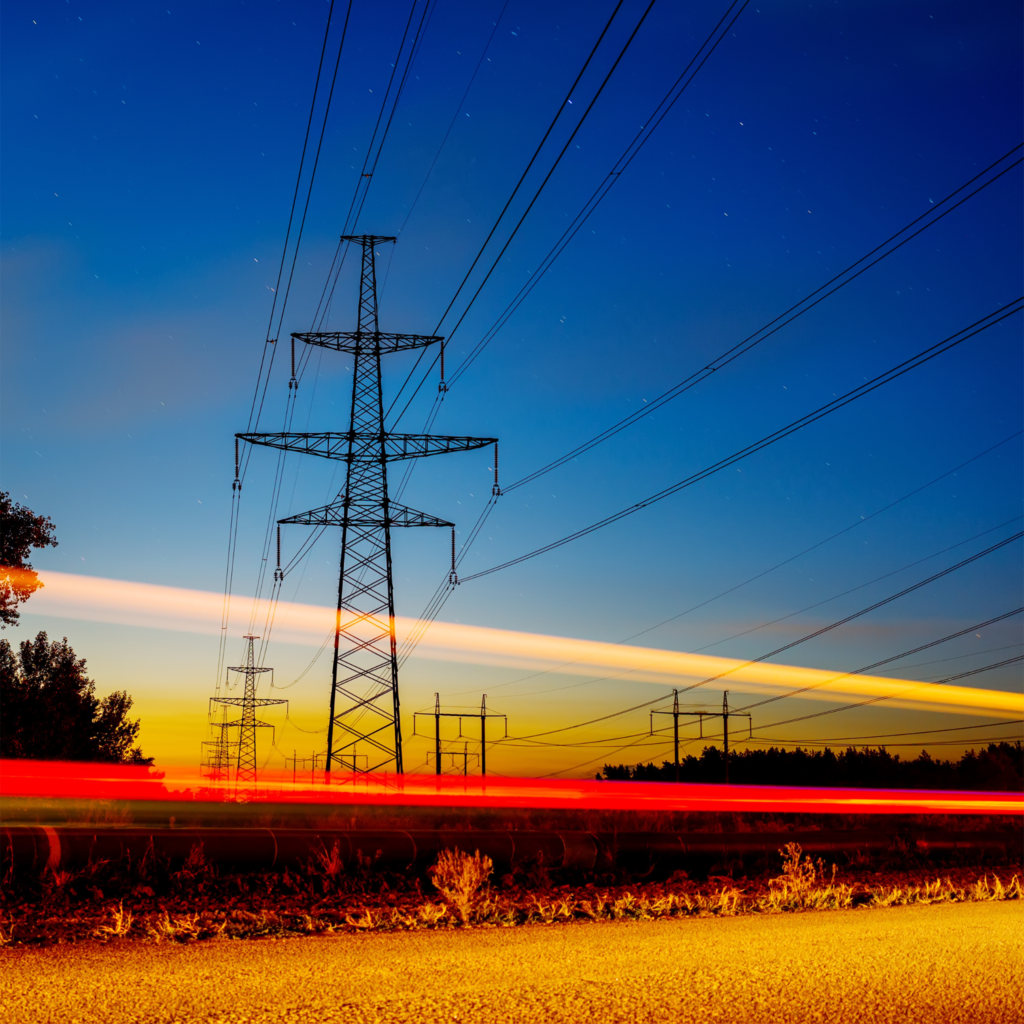
Network flexibility is key to cheaper transformation and lower electricity bills – new report by the Reform Institute
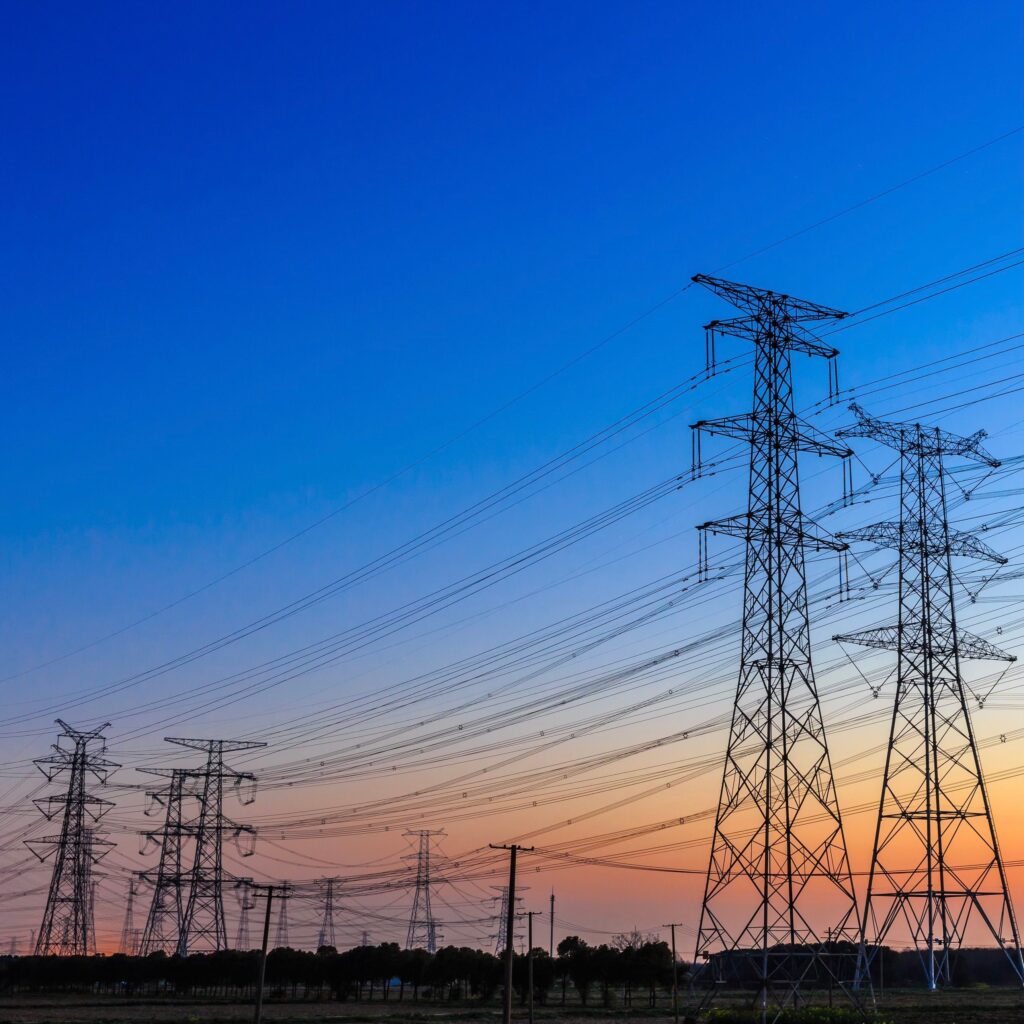
“Managing grid development in the light of the challenges of green electrification” – Report of the Reform Institute


Zapisz się
do newslettera