
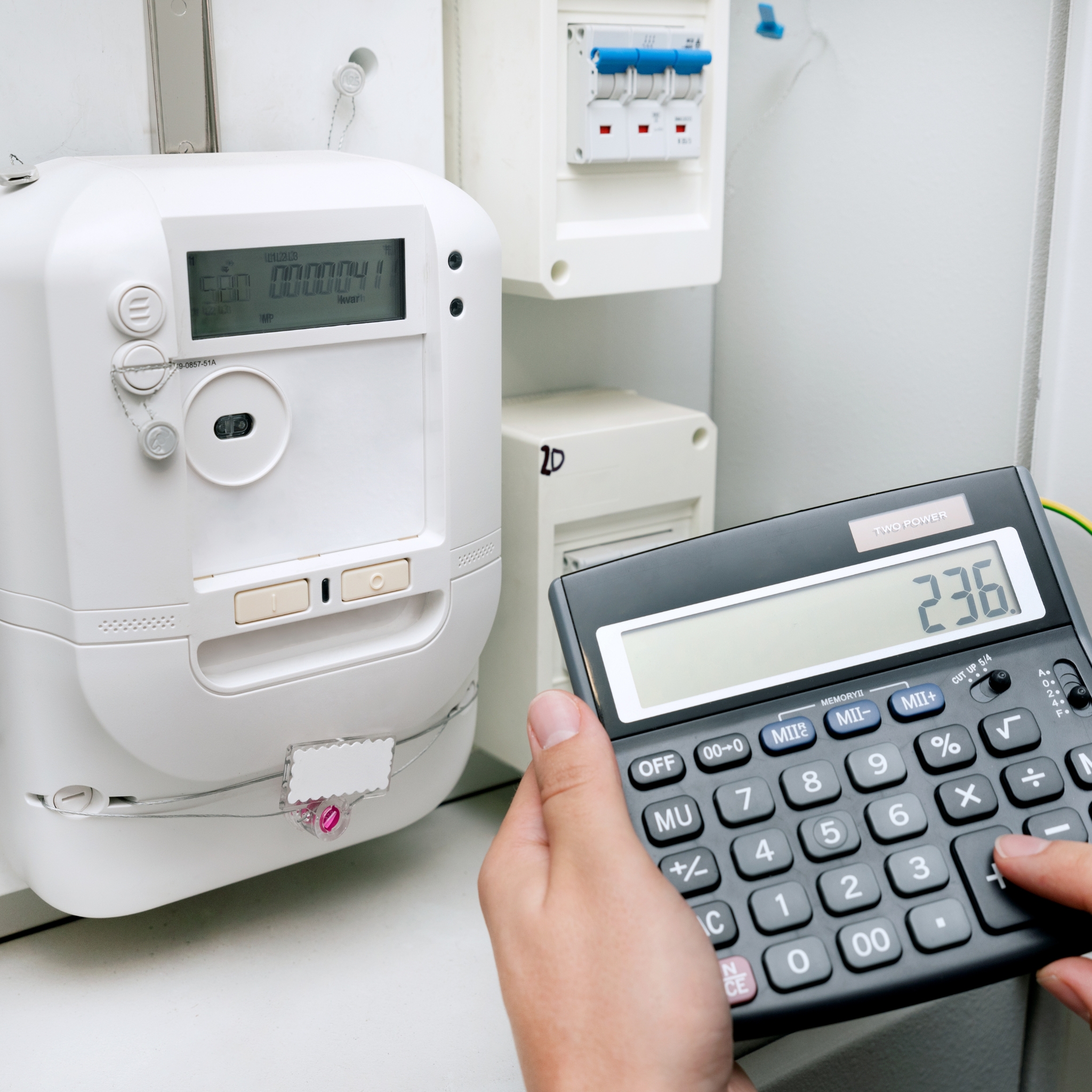
Tariffs for electricity, heat and network services are a tool used by the regulator and the state to balance the investment needs of the transition with those of end users. The current tariff system does not provide optimal support for the development of renewable energy sources and grid investments. Meanwhile, tariffs are a key element in the discussion on the costs of modernising the sector and the transition being carried out in the spirit of social justice.
The aim of the project is to foster debate on new tariff models, which are intended, on the one hand, to support an energy system based predominantly on renewable energy sources and, on the other, to take into account the key aspects of the transition: flexibility, balancing, sustainable grid expansion and the electrification of the economy.
To achieve this, we analyse existing tariff models, EU guidelines and best practices from other countries. We engage in dialogue with policymakers and the regulator. Through expert commentary and media appearances, we explain how tariffs and the structure of charges on bills influence consumer behaviour. This work forms part of broader efforts to ensure fair pricing of electricity and heat.
The project provides independent assessment tools and specific recommendations. We produce analyses that help to optimise tariff policy in Poland, tailored to a system based on distributed energy sources. Thanks to our recommendations, tariff mechanisms are becoming more flexible; they support the electrification of the economy and industrial competitiveness, whilst helping to keep costs down for households.




“Managing grid development in the light of the challenges of green electrification” – Report of the Reform Institute
Network flexibility is key to cheaper transformation and lower electricity bills – new report by the Reform Institute
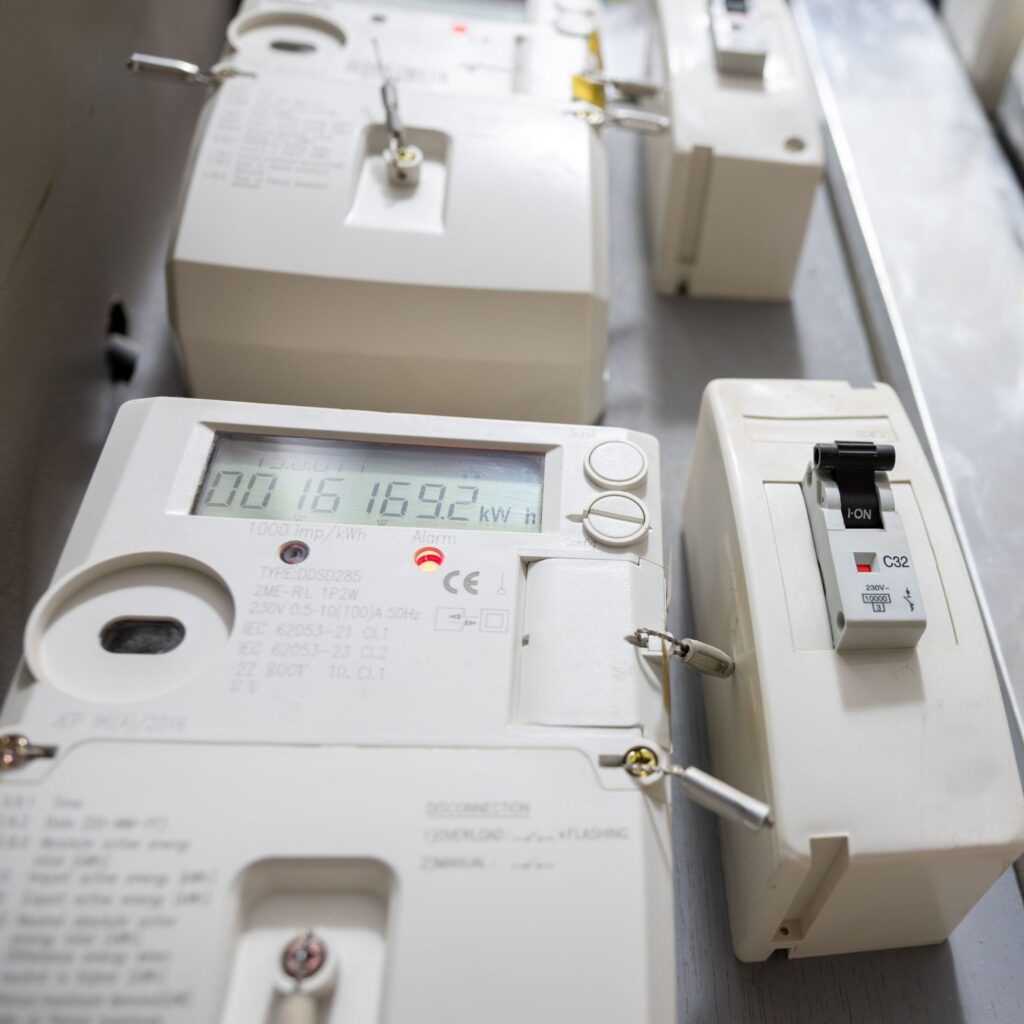
Changes to grid tariffs could reduce energy bills – conclusions from a new report by the Reform Institute
A new network tariff model as the key to cheaper energy and a sustainable transition
A new network tariff model as the key to cheaper energy and a sustainable transition- roundtable
Tomorrow’s energy networks – a European plan and national priorities – summary of Round Table




Zapisz się
do newslettera